Hill Country, TX Real Estate & Community Guide
Also known as Texas Hill Country, The Hill Country
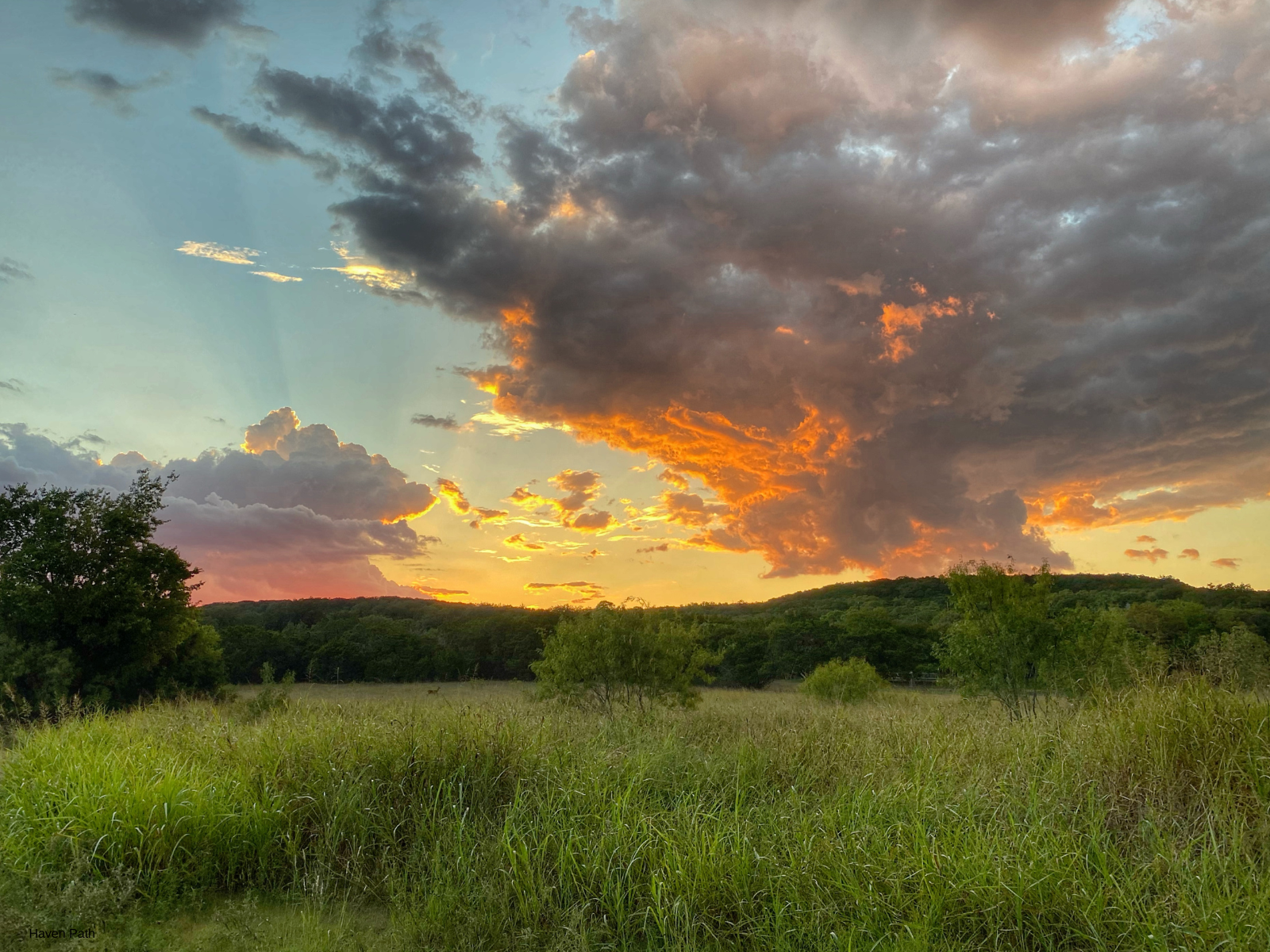
The Hill Country is less a place than a direction. Point the truck west or southwest out of Austin and the land starts to roll — limestone ridges, cedar and oak, spring-fed creeks, and towns that still feel like towns. Dripping Springs, Wimberley, Spicewood, Driftwood, Bee Cave: each has its own character, but they share a way of living that trades the city's convenience for land and quiet.
Here's the honest version. Out here you'll likely be on a well and a septic system, propane instead of natural gas, and a longer drive to a big grocery store or the airport. Cell and internet can be spotty depending on the ridge you're on. What you get back is acreage, night skies you can actually see, and a pace that's hard to put a price on.
What the Hill Country is
This is wine, water, and wide-open land. The Highway 290 corridor out of Dripping Springs has become Texas wine and distillery country; the Blanco and Pedernales rivers and spots like Hamilton Pool and Jacob's Well draw people all summer; and the whole region trades on live music, roadhouses, and long Sunday drives.
It rewards people who like to be outside and don't need a storefront on every corner. Towns hold the essentials — a good restaurant or two, a feed store, a farmers market — and Austin is there when you want more.
Living on the land — the practical part
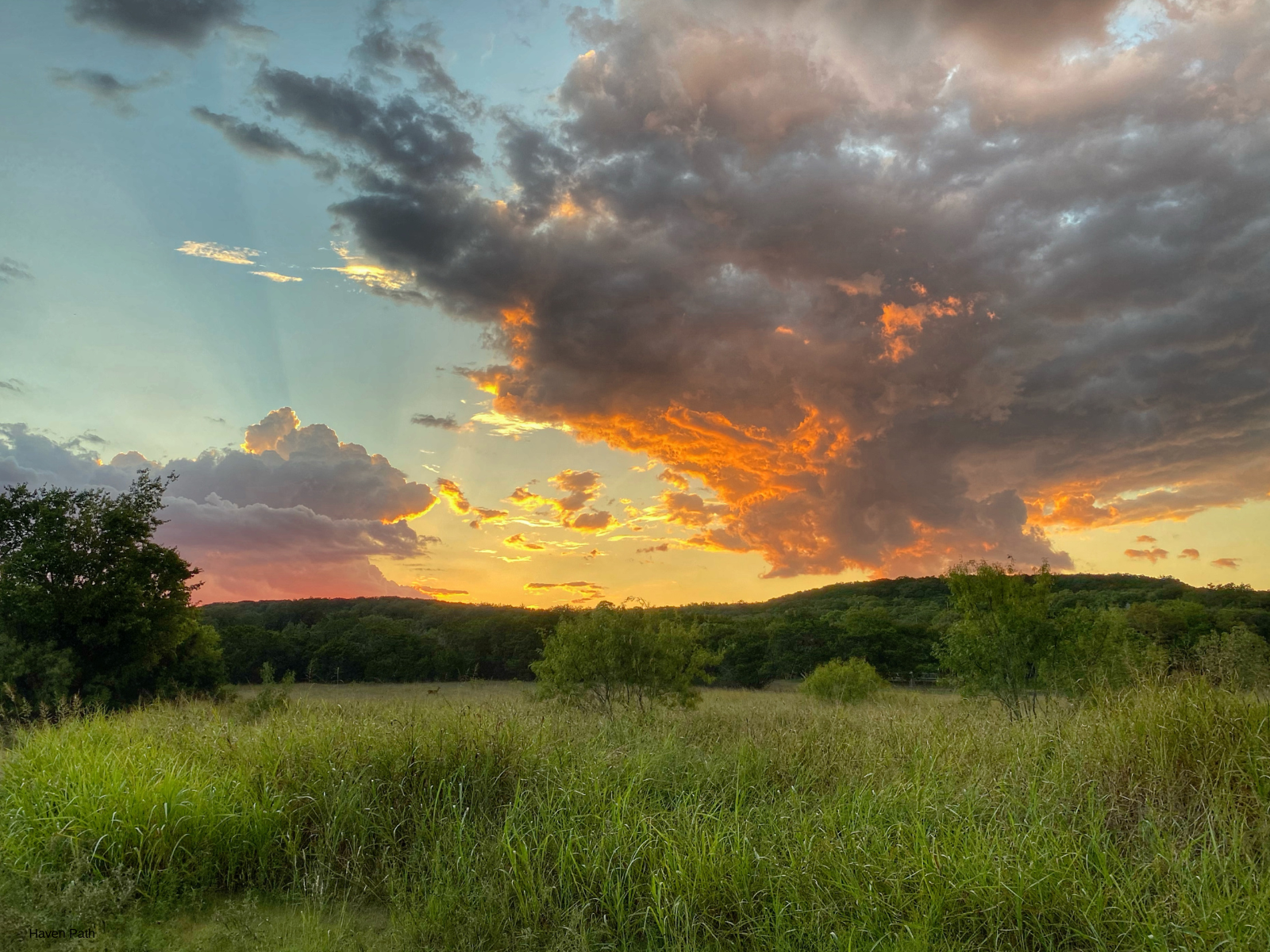
Country property comes with country systems, and it's worth going in clear-eyed. Most homes run on a private well and a septic (OSSF) system, propane for heat and cooking, and sometimes a shared or private road. Acreage may carry an agricultural or wildlife valuation that affects taxes — and can be lost if the use changes.
There's also terrain to respect: some parcels sit in the floodplain along a creek, and wildfire preparedness matters in cedar country. None of this is a dealbreaker — plenty of people wouldn't live any other way — but it's the diligence that separates a good Hill Country buy from a hard lesson.
The towns, briefly
Dripping Springs — the "Gateway to the Hill Country," wineries and distilleries, Dripping Springs ISD, growing fast. Wimberley — artsy, riverside, Blue Hole and Jacob's Well, its own small-town rhythm. Spicewood — lake and ranch country toward Lake Travis, big lots. Driftwood — Salt Lick barbecue, vineyards, wide parcels. Bee Cave — the most suburban of the group, shopping and Lake Travis ISD, the softest landing between city and country.
Each of these deserves its own page, and over time they'll get one. Start with how far out you're willing to live and the rest narrows quickly.
What are the schools like in Hill Country?
Varies by community — Dripping Springs ISD, Wimberley ISD, Lake Travis ISD, Johnson City ISD and others. Confirm the district and schools for a specific address.. Attendance zones change and can differ street by street — confirm any address with the district .
Is Hill Country good for commuters?
| Destination | Minutes | Note |
|---|---|---|
| Downtown Austin | 30–55 | varies widely by town and time of day |
| Austin-Bergstrom (ABIA) | 40–60 |
Hill Country is a good fit if…
- You want acreage, privacy, and dark skies, and the drive into town is a fair trade.
- Well, septic, and propane living doesn't scare you — or you're willing to learn it.
- Wine country, rivers, and small-town life are the point.
- You're buying for the long haul, not a quick resale.
Probably not the fit if…
- You need a short commute, walkable errands, or reliable high-speed everything.
- City water, sewer, and natural gas are non-negotiable for you.
- You want a turnkey home in a planned neighborhood with an HOA handling the details.
- Managing land — brush, roads, water systems, wildfire prep — sounds like more than you signed up for.
Hill Country: frequently asked questions
- Where is the Texas Hill Country relative to Austin?
- It's the region generally west and southwest of Austin, running through Hays, Travis, Blanco, and Burnet counties and beyond. Towns like Bee Cave and Dripping Springs are 20–40 minutes out; Wimberley and Spicewood are farther.
- Are Hill Country homes on well and septic?
- Many are. Outside town centers, expect a private well and a septic (OSSF) system, often with propane rather than natural gas. Some communities have shared water systems. Always verify the systems and their condition for a specific property.
- How long is the commute to Austin?
- It depends heavily on the town and the hour — roughly 30 to 55 minutes to downtown from the closer communities, longer from the farther ones. Traffic on US-290 and RR 620 can add up.
- What is a wildlife or agricultural valuation?
- Larger parcels may qualify for an agricultural or wildlife-management valuation that lowers the property-tax basis. It comes with use requirements and can be lost if the land use changes, so confirm the current status with the county appraisal district.
- Is internet reliable in the Hill Country?
- It varies a lot by location and terrain. Some areas have fiber or good fixed-wireless; others rely on satellite or cellular. If working from home matters, check the actual options at the specific address before you buy.
- Which towns are in the Hill Country near Austin?
- Common ones for Austin-area buyers include Dripping Springs, Wimberley, Spicewood, Driftwood, and Bee Cave, each with its own character, school district, and distance from the city.